
Ethyl Chloroformate (ECF)
CAS # 541-41-3
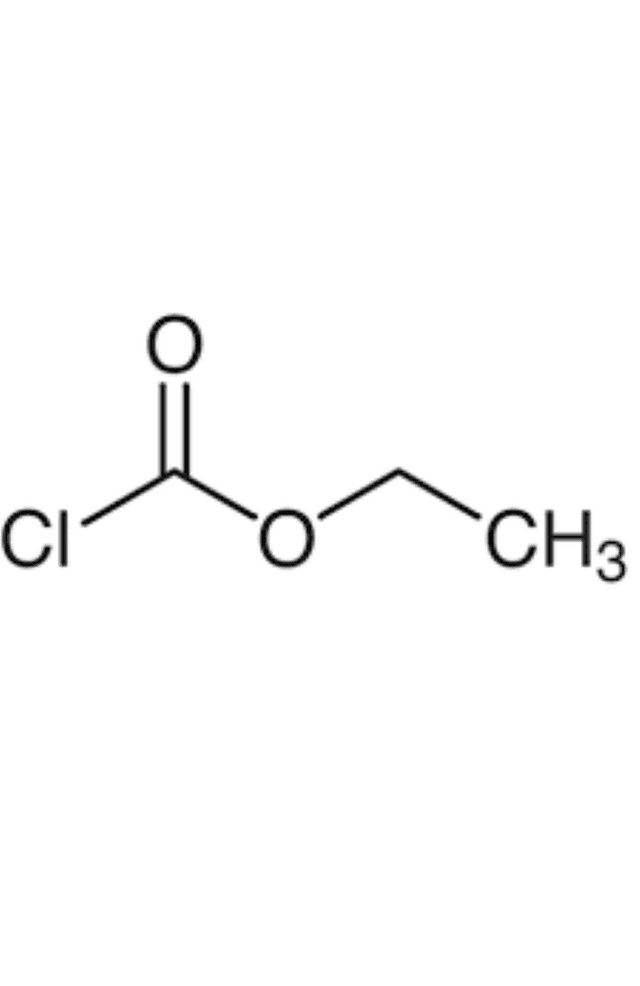
Ethyl chloroformate (ECF), also known as ethyl carbonochloridate, is a highly reactive, volatile chloroformate ester (ClCO₂CH₂CH₃) derived from phosgene chemistry. It appears as a clear, colorless, flammable liquid with a sharp, pungent odor. Insoluble in water, it hydrolyzes rapidly to release HCl, ethanol, and CO₂, but is fully miscible with common organic solvents.
Primarily, ECF functions as a powerful acylating agent and synthetic intermediate. In pharmaceuticals, it enables efficient peptide coupling and carbamate protection, and is used in penicillin derivatives. In agrochemicals, it supports the synthesis of carbamate-based pesticides. It also finds use in mining (as a precursor to flotation agents), in PVC stabilization and specialty carbonate solvents, and as a derivatization reagent in GC‑MS for analyzing acids and phenolics.
Key chemistry
PHOSGENE DERIVATIVES
Short Names
ECF EC
Synonyms
Ethyl carbonochloridate , Carbonochloridic acid, ethyl ester , Ethyl chlorocarbonat , Chloroformic acid ethyl ester , Ethoxycarbonyl chloride , Chlorocarbonic acid ethyl ester , Cathyl chloride
Applications
Herbicides | Insecticides | APIs for Pharmaceuticals
Industries
Agriculture, Pharmaceuticals
Grades
High-Purity Grade
Packaging
200 kg PE Line Steel Drums
ISO Tank Containers
Downloads
Search for chemistry
OR